New Delhi: India’s ambitious wildlife restoration programme, Project Cheetah, has recorded significant progress, with the cheetah population in the country increasing to 53, including 33 cubs born in India, the Union Environment Ministry said on Monday.
The update was shared during a high-level review meeting chaired by Union Environment, Forest and Climate Change Minister Bhupender Yadav to assess the progress and future roadmap of the project.
Project Cheetah was launched to reintroduce cheetahs in India decades after the species became extinct in the country. Under the initiative, 20 cheetahs were initially brought from Namibia and South Africa, followed by nine more from Botswana through international cooperation and scientific planning.
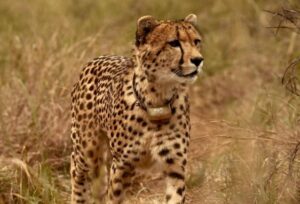
Officials said the project has shown encouraging results despite the challenges associated with wildlife translocation. The survival rate of both adult cheetahs and cubs has reportedly matched, and in some cases exceeded, global standards.
Kuno National Park in Madhya Pradesh has been developed as the main habitat for the cheetahs, while Gandhisagar Wildlife Sanctuary is being prepared as an additional site to support population expansion. Authorities are also working on future expansion plans in Gujarat’s Banni grasslands and Madhya Pradesh’s Nauradehi Wildlife Sanctuary.
According to scientific monitoring, the cheetahs are adapting well to Indian conditions, showing stable movement patterns, effective prey hunting behaviour and no major signs of physiological stress.
The next phase of the project will focus on strengthening the cheetah population through additional translocations from African countries, development of new habitats and creation of a wider interconnected conservation landscape to support long-term genetic diversity and population growth.
The Environment Ministry described Project Cheetah as a globally significant conservation initiative that could play a major role in restoring open natural ecosystems in India.